Identifying the Why. Designing the How.
.jpeg)
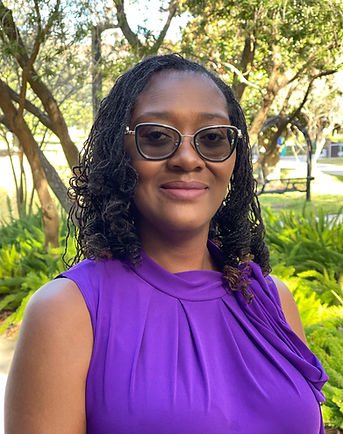
Meet the Founder
Shaqwana Freeman-Green, PhD
Dr. Shaqwana Freeman-Green is an educator, researcher, and education strategist whose work focuses on supporting students with learning disabilities through practical, evidence-based instruction and teacher support systems.
With more than 20 years of experience working alongside students, families, educators, and school districts, her work centers on bridging the gap between research and classroom practice — particularly in the areas of mathematics instruction, teacher preparation, instructional coaching, and inclusive educational practices.
Dr. Freeman-Green earned her doctorate from the University of North Carolina at Charlotte and has served in a variety of roles across K–12 and higher education. Her professional experiences include teacher preparation, instructional leadership, curriculum development, virtual coaching initiatives, and research focused on improving outcomes for students with learning disabilities and multilingual learners.
Her work emphasizes helping educators move beyond compliance-driven instruction toward meaningful, responsive teaching practices that build student confidence, problem-solving skills, and academic independence.
In addition to her teaching and research, Dr. Freeman-Green serves as Co-Editor of TEACHING Exceptional Children,
Her current work includes the development of the SOLVE 2.0 intervention strategy and the PRISM coaching model, both designed to support educators in translating research-based practices into real-world implementation.
Whether through speaking engagements, professional learning, resource development, or collaborative partnerships, Dr. Freeman-Green’s goal remains the same:
To help educators identify barriers and design a plan to improve instruction and create learning experiences where all students have the opportunity to succeed.
Areas of Focus
-
Math interventions
-
Teacher coaching and support
-
Evidence-based practices
-
High-leverage practices
-
Learning disabilities and multilingual learners